พิพิธภัณฑ์ที่ยิ่งใหญ่ที่สุดของอียิปต์พร้อมต้อนรับนักท่องเที่ยวจากทั่วโลกอย่างเป็นทางการแล้ว
บทความ: ลภีพันธ์ โชติจินดา ภาพ: Grand Egyptian Museum
Grand Egyptian Museum หรือ GEM เปิดประตูต้อนรับนักท่องเที่ยวทั่วโลกอย่างเป็นทางการแล้วเมื่อเดือนพฤศจิกายนที่ผ่านมา หลังจากเป็นที่ตั้งตาคอยของผู้คนมานานกว่า 20 ปีนับตั้งแต่เริ่มการก่อสร้างขึ้นเมื่อปี ค.ศ. 2005 และมีการเปิดบางส่วนของพิพิธภัณฑ์ให้บุคคลทั่วไปเข้าชมแบบจำกัดจำนวนต่อวันมาพักหนึ่งในปีนี้เพื่อซักซ้อมความพร้อมของระบบ
นี่คือพิพิธภัณฑ์ที่ยิ่งใหญ่ที่สุดของอียิปต์และเป็นพิพิธภัณฑ์ด้านโบราณคดีที่ใหญ่ที่สุดในโลกด้วย เพราะที่นี่ได้รวบรวมเอาศิลปวัตถุและโบราณวัตถุอันทรงคุณค่าทางประวัติศาสตร์ไว้มากกว่า 100,000 ชิ้น รวมถึงคอลเลคชั่นที่สมบูรณ์ที่สุดของฟาโรห์ตุตันคามุนที่ประกอบด้วยสมบัติมากกว่า 5,000 ชิ้นและหนึ่งในนั้นก็คือหน้ากากทองคำฟาโรห์ตุตันคามุนอันโด่งดังนั่นเอง
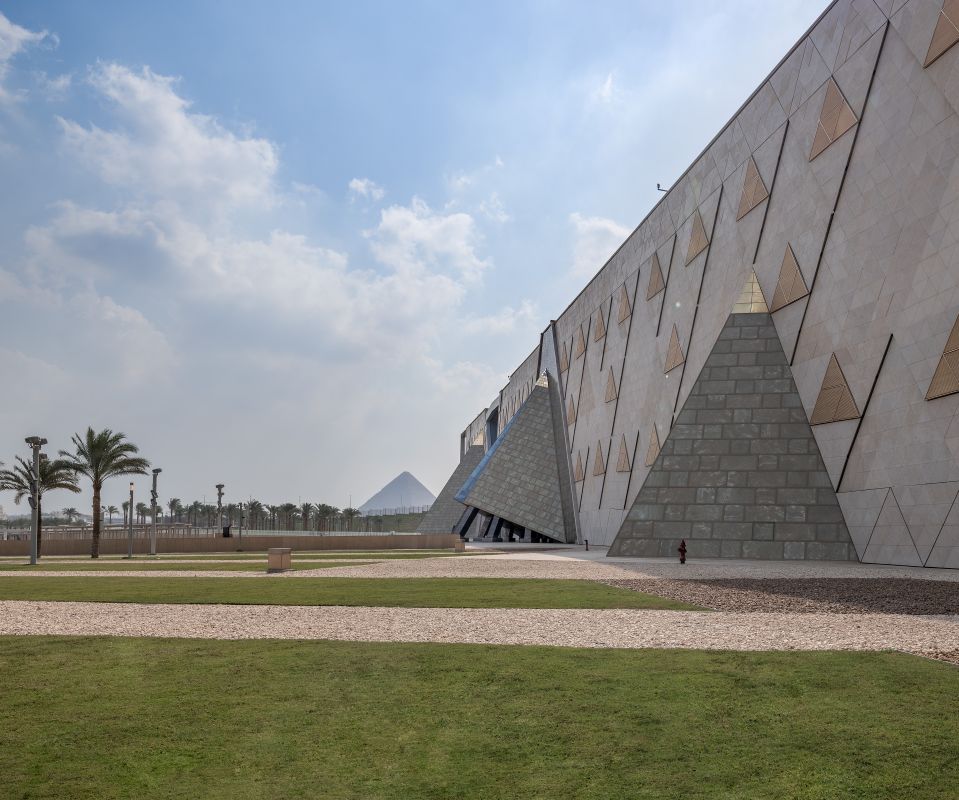
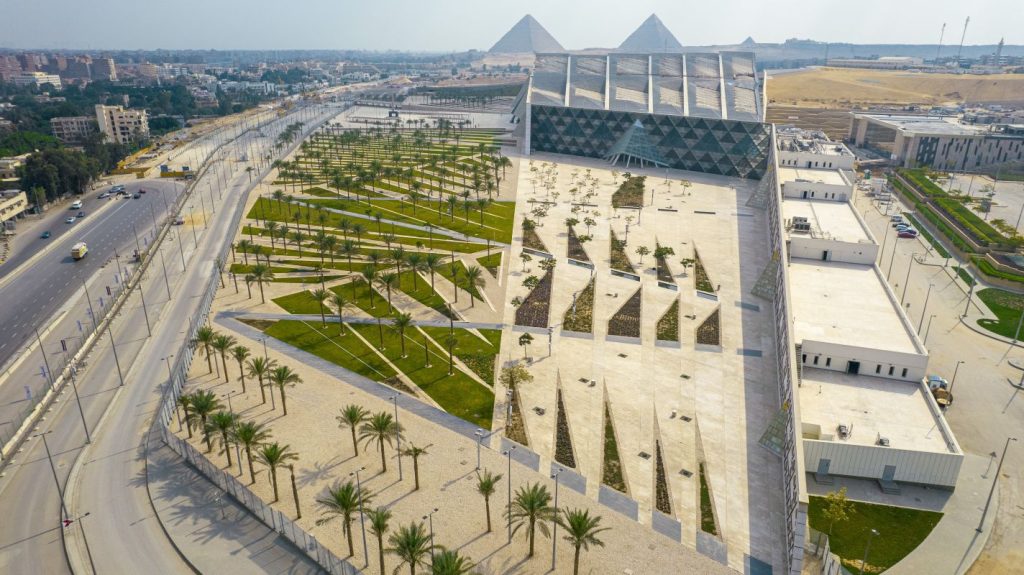
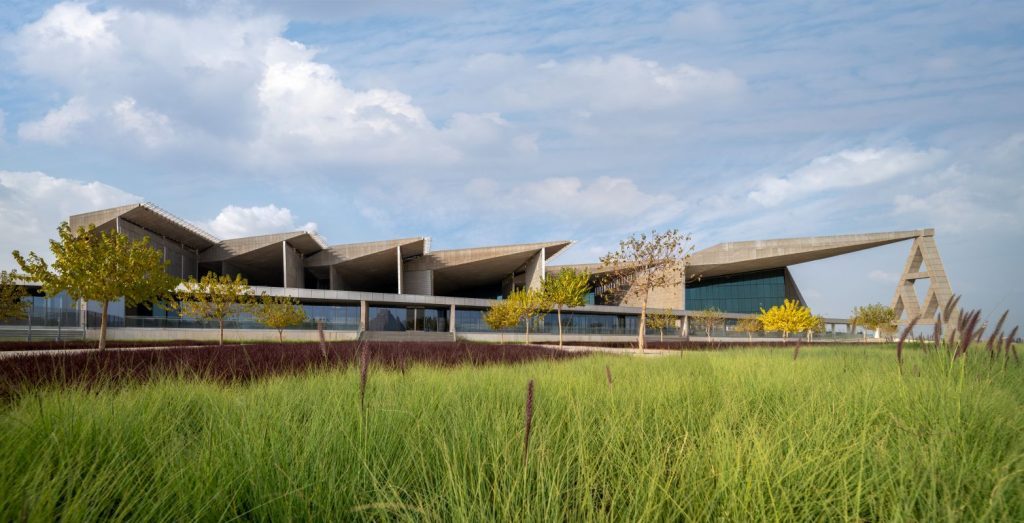
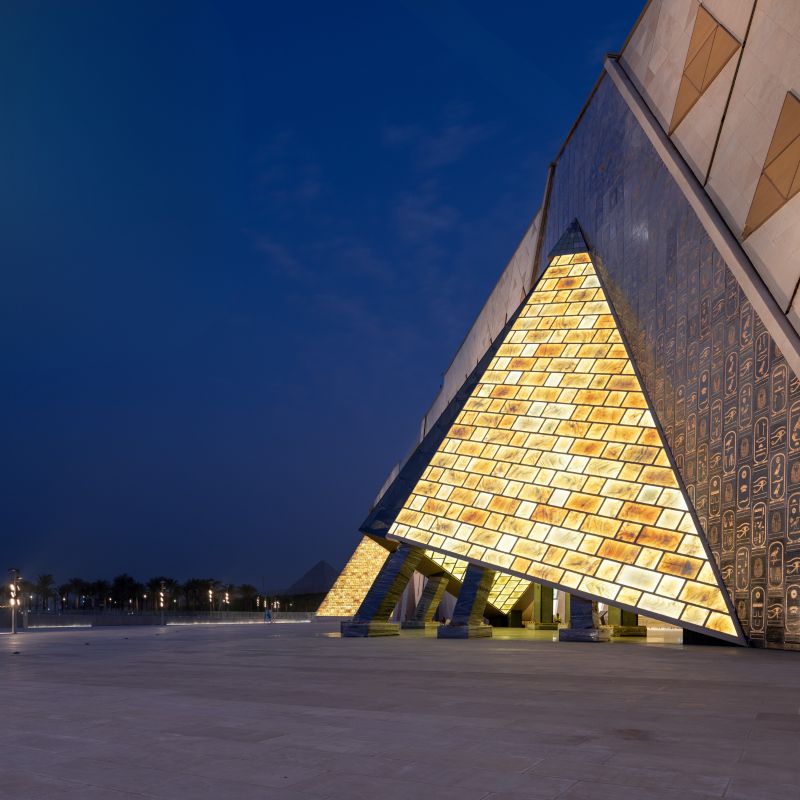
พิพิธภัณฑ์ Grand Egyptian Museum ตั้งอยู่บนพื้นที่ 500,000 ตารางเมตร และอยู่ห่างจากมหาพีระมิดแห่งกีซาอันเป็นสถานที่ท่องเที่ยวที่โด่งดังของอียิปต์เพียง 2 กิโลเมตร นอกเหนือจากวัตถุโบราณล้ำค่าที่จัดแสดงใน GEM แล้วพิพิธภัณฑ์แห่งนี้ยังมีความพิเศษที่สถาปัตยกรรมและการตกแต่งภายในที่เปี่ยมไปด้วยเทคโนโลยีและแนวคิดที่เชื่อมโยงอดีต ปัจจุบันและอนาคตของอียิปต์เข้าไว้ด้วยกันได้อย่างน่าสนใจ การออกแบบเป็นฝีมือของ Heneghan Peng Architects บริษัทสถาปนิกชื่อดังจากประเทศไอร์แลนด์ ซึ่งหากสังเกตรายละเอียดของอาคารจะพบว่ามีสามเหลี่ยมเป็นองค์ประกอบมากมายเกือบจะทุกจุด นั่นก็เพราะได้แรงบันดาลใจมาจากพีระมิด
ความยิ่งใหญ่อลังการของ GEM ประกอบไปด้วยโถงนิทรรศการ 12 โถง ศูนย์อนุรักษ์และวิจัยพร้อมเครื่องมือในการบูรณะโบราณวัตถุที่ทันสมัย พื้นที่จัดแสดงนิทรรศการชั่วคราว พิพิธภัณฑ์ของเด็ก ห้องสมุด ศูนย์การเรียนรู้ ศูนย์ประชุม ร้านค้าปลีกและร้านอาหารในคอมเพล็กซ์ รวมถึงสวนสวยด้านนอกอาคารที่จะเป็นแหล่งพักผ่อนหย่อนใจของผู้คนในชุมชนด้วยเช่นกัน ซึ่งถือว่าเป็นการกำหนดมาตรฐานใหม่สำหรับการออกแบบพิพิธภัณฑ์ที่ยกระดับประสบการณ์ของผู้เยี่ยมชมและการอนุรักษ์โบราณคดีในขณะเดียวกัน
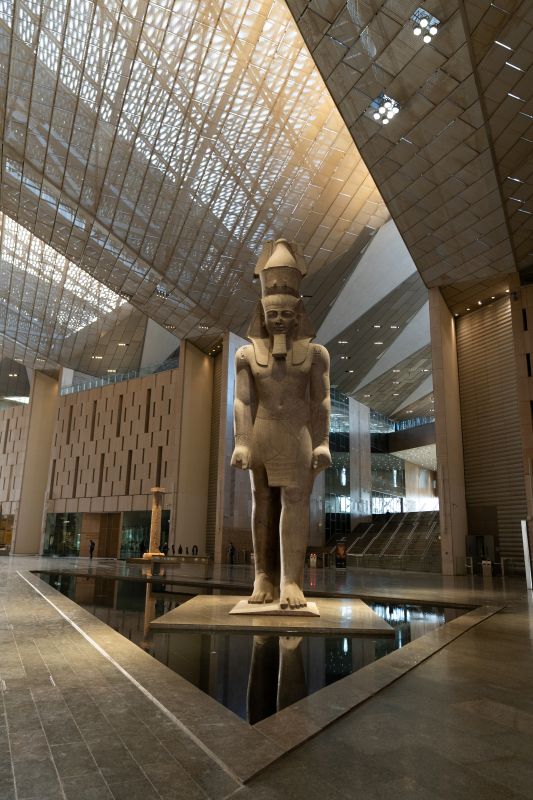
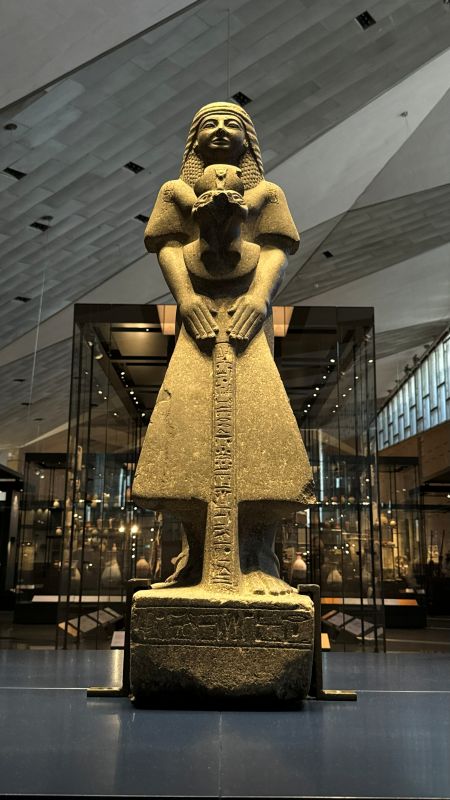
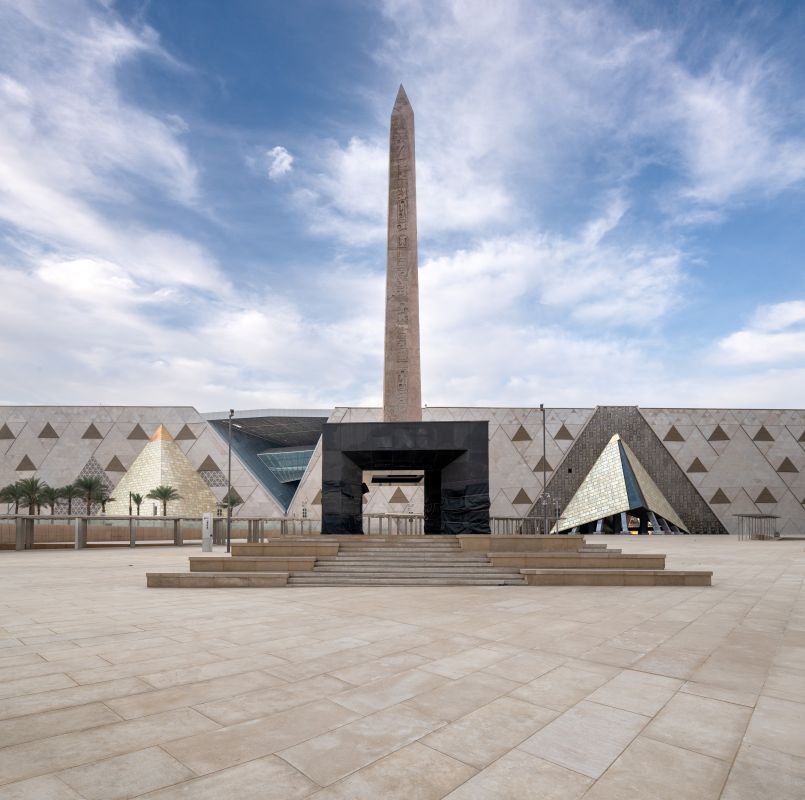
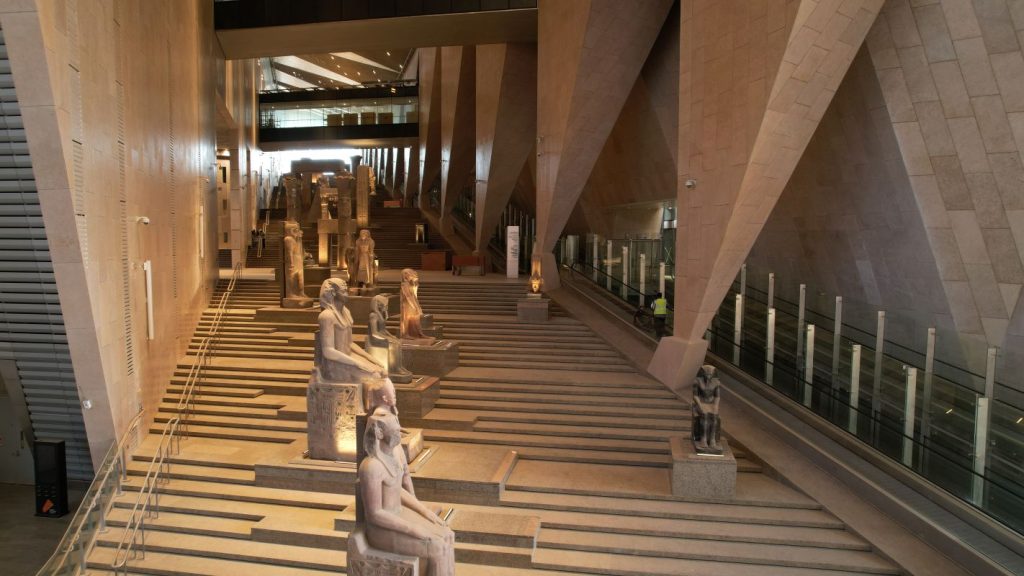
มนต์ขลังแห่งอารยธรรมอียิปต์โบราณเริ่มต้นตั้งแต่บริเวณลานด้านหน้าด้วยเสาโอเบลิสก์หรือ Hanging Obelisk ก่อนที่ผู้มาเยือนจะต้องตื่นตาตื่นใจกับรูปปั้นขนาดมหึมาที่มีน้ำหนักมากกว่า 83 ตันของฟาโรห์แรเมซีสที่ 2 ที่ตั้งเด่นเป็นสง่าอยู่ที่ Grand Hall รวมไปถึงรูปปั้นหินแกรนนิตสีชมพูขนาดใหญ่ของกษัตริย์และราชินีแห่งราชวงศ์ปโตเลมี ถัดมาเป็นบริเวณ Grand Staircase นิทรรศการถาวรแบบขั้นบันไดของรูปปั้นโบราณกว่า 50 ชิ้นและวัตถุโบราณต่างๆ ซึ่งเมื่อเดินขึ้นไปถึงด้านบนสุดก็จะพบกับวิวอันงดงามของพีระมิดกีซ่าที่ตั้งอยู่ไม่ไกลจากพิพิธภัณฑ์ และยังมีไฮไลท์อื่นๆ อาทิ สฟิงซ์ของฮัตเชปซุต เรือสุริยะฟาโรห์คูฟูที่มีอายุกว่า 4,600 ปี ศิลาโรเซตตา และวัตถุโบราณกว่า 20,000 ชิ้นที่ไม่เคยปรากฏสู่สาธารณชนมากก่อนที่รอให้คุณได้ไปค้นพบ
This highly anticipated cultural attraction boasts more than 20,000 artefacts previously not displayed to the public.
Words: Lapheepun Chotjinda Photos: Grand Egyptian Museum
The Grand Egyptian Museum, or GEM, officially opened its doors to visitors from around the world in November, after more than two decades of anticipation since construction began in 2005. Earlier this year, parts of the museum were opened to the public on a limited basis each day to test and fine-tune operational readiness before the grand opening.
GEM stands as the largest museum in Egypt and the most extensive archaeological museum in the world. It houses more than 100,000 artefacts of immense historical and cultural significance, including the most complete collection of treasures from Pharaoh Tutankhamun (over 5,000 objects in total) among which is the world-famous golden funerary mask of the young king himself.
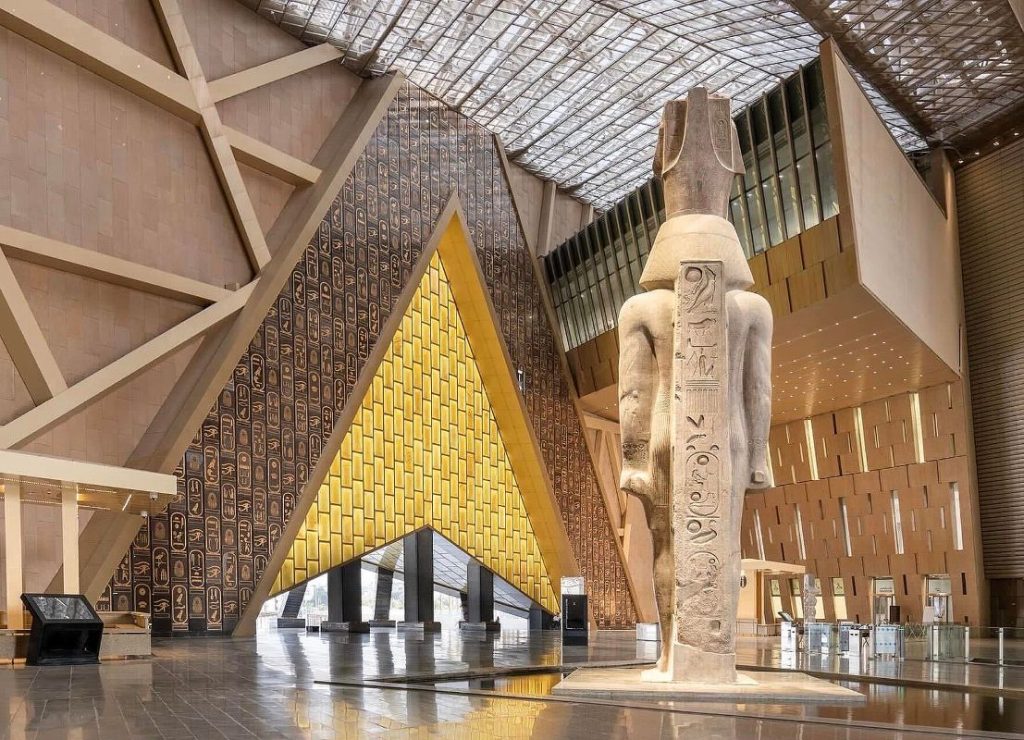
Situated on a 500,000-square-metre site just two kilometres from the Great Pyramid of Giza, one of Egypt’s most iconic landmarks, the Grand Egyptian Museum is remarkable not only for its priceless collections but also for its architectural vision and technological sophistication. Designed by the renowned Irish firm Heneghan Peng Architects, the museum’s structure draws inspiration from Egypt’s ancient pyramids: a theme evident in the triangular motifs that appear throughout the building. The design unites Egypt’s past, present and future in a single, forward-looking expression of cultural continuity.
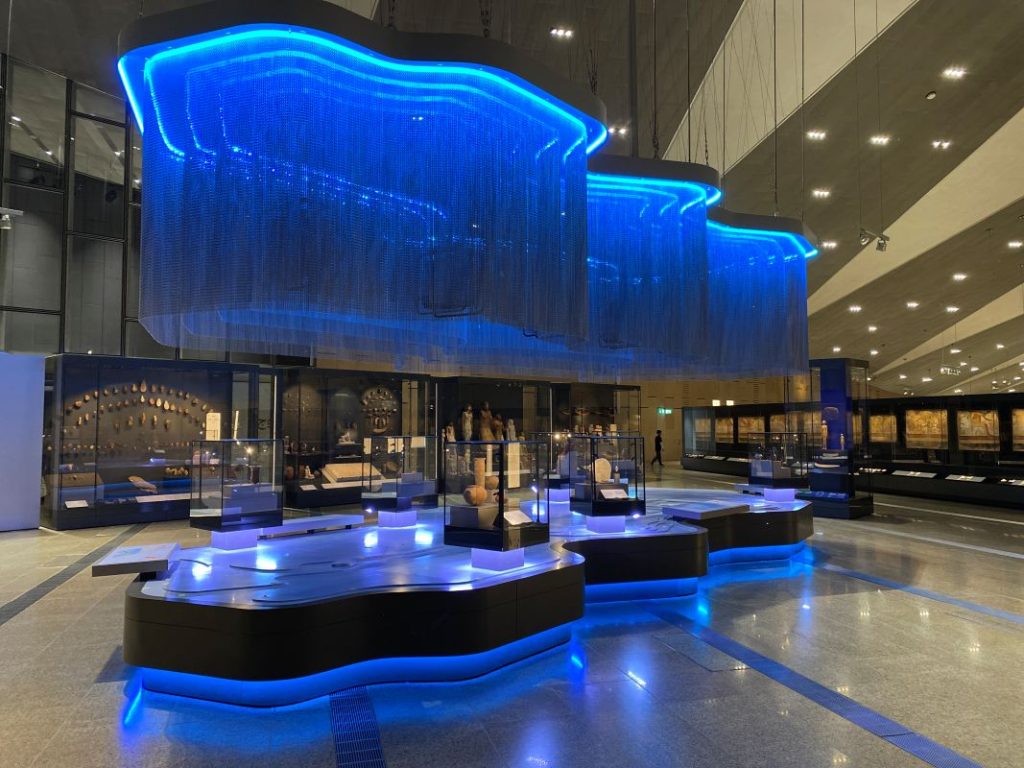
The scale of GEM is simply awe-inspiring. It comprises 12 exhibition halls, a state-of-the-art conservation and research centre, spaces for temporary exhibitions, a children’s museum, a library, a learning centre, and a conference hall. In addition, the complex includes retail outlets, restaurants, and landscaped gardens designed as communal spaces for relaxation and recreation. Together, these features redefine what a modern museum can be, balancing visitor experience with the preservation of humanity’s ancient heritage.
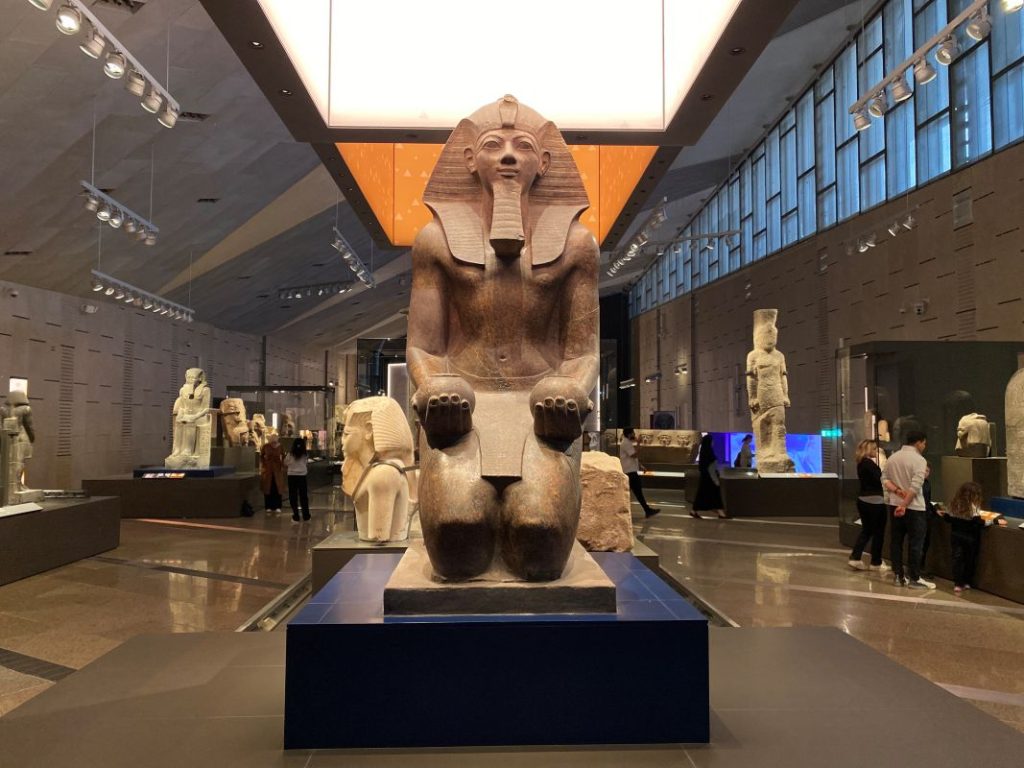
The enchantment of ancient Egypt begins even before entering the museum, with the Hanging Obelisk greeting visitors at the forecourt. Inside, guests are immediately captivated by the monumental statue of Pharaoh Ramesses II, weighing over 83 tonnes, proudly displayed in the Grand Hall. Nearby stand the massive pink granite statues of Ptolemaic kings and queens, leading towards the Grand Staircase — a tiered display of more than 50 ancient sculptures and artefacts.
From its uppermost level, visitors are rewarded with a breathtaking view of the Giza pyramids just beyond the horizon. Other highlights include the alabaster sphinx of Hatshepsut, Khufu’s 4,600-year-old Solar Boat, the Rosetta Stone, and over 20,000 previously unseen artefacts now unveiled to the public for the first time, waiting to be discovered anew.