

Rado ฉลองครบรอบ 40 ปีของการผลิตนาฬิกาที่ใช้ชิ้นส่วนไฮเทคเซรามิก
บทความ: รักดี โชติจินดา ภาพ: Rado
เราอยากให้ภาษาไทยมีคำคุณศัพท์สักคำที่สามารถใช้แทนคำว่า “underrated” หรือ “underappreciated” ได้อย่างตรงตัว เราจะได้เอามาใช้กับ Rado เพราะว่าเขาเป็นแบรนด์นาฬิกาที่มีจุดยืนและจุดขายชัดเจนมาโดยตลอด มีความล้ำสมัยในเชิงเทคโนโลยีมาโดยตลอด จนถึงขั้นที่เรียกตนเองว่า “Master of Materials” หรือ “ผู้เชี่ยวชาญด้านวัสดุ” ได้อย่างเต็มปากเต็มคำ แต่ Rado กลับไม่เป็นที่นิยมของผู้คนโดยทั่วไปเท่าที่ควร
โดยรวมคือคนรู้จักแบรนด์ว่าเป็นแบรนด์ที่อยู่คู่วงการมานาน คนให้เกียรติแบรนด์ว่ามีศักยภาพในการพัฒนาสิ่งต่างๆ แบบนอกกรอบมาตรฐานของอุตสาหกรรมนี้ แต่คนทั่วไปที่ไม่ได้อยู่ในวงการนาฬิกาแบบลึกๆ หรือไม่ได้อยู่ในแวดวงการออกแบบจะไม่ได้รู้สึกว้าวและอยากครอบครองนาฬิกา Rado ขนาดนั้น
Rado เป็นเรื่องราวแห่งความสำเร็จที่โดดเด่นไม่เหมือนใครในวงการนาฬิกา จากจุดเริ่มต้นเล็กๆ ของกิจการในปี ค.ศ. 1917 และการเริ่มใช้ชื่อแบรนด์ Rado ซึ่งแปลว่า “วงล้อ” ในภาษาเอสเปรันโตในปี ค.ศ. 1928 จุดเปลี่ยนสำคัญของ Rado อยู่ในปี ค.ศ. 1962 เมื่อผู้ก่อตั้งแบรนด์เกิดวิสัยทัศน์ในการใช้วัสดุที่มีความทนทานต่อการขีดข่วนสูงเป็นพิเศษ เพื่อให้เรือนเวลายังคงดูเหมือนใหม่แม้เวลาจะผ่านไปนานหลายปี
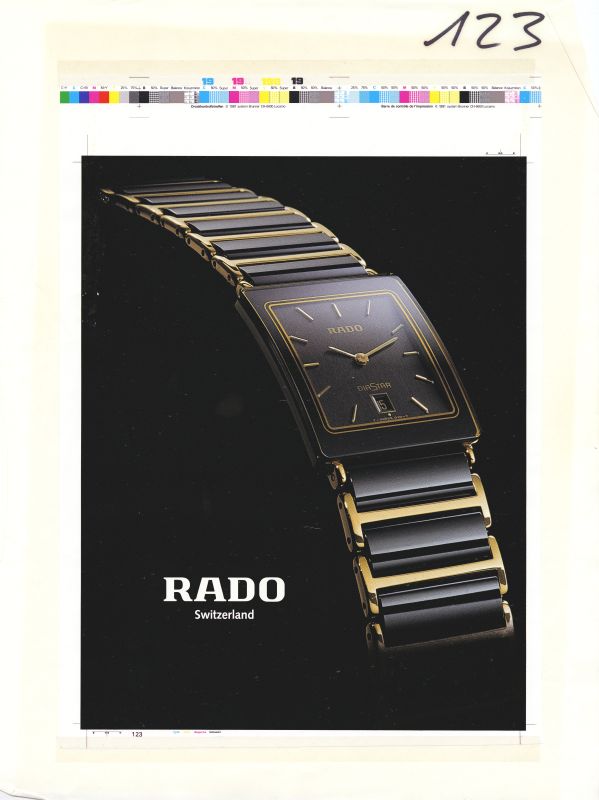
เริ่มต้นด้วยวัสดุฮาร์ดเมทอลในการผลิตตัวเรือนนาฬิการุ่น DiaStar ซึ่งชื่อนี้สื่อว่าเรือนเวลานั้น “แข็งแกร่งราวกับเพชรและเจิดจรัสดั่งดวงดารา” ก่อนที่จะก้าวไปถึงขั้นของไฮเทคเซรามิกโดยที่วัสดุชนิดนี้มีความแข็งถึง 1,250 วิคเกอร์ส ในขณะที่สเตนเลสสตีลโดยทั่วไปนั้นมีค่าอยู่ที่ราว 200 วิคเกอร์สเท่านั้น
Rado มี Integral เป็นนาฬิการุ่นแรกที่มีองค์ประกอบบางส่วนผลิตจากไฮเทคเซรามิกในปี ค.ศ. 1986 ก่อนที่จะมี Ceramica เป็นนาฬิกาที่ผลิตด้วยวัสดุไฮเทคเซรามิกแบบทั้งเรือนในปี ค.ศ. 1990 ซึ่งทั้งหมดนี้ยังคงเป็นไฮเทคเซรามิกสีดำอยู่ แต่ Rado ก็ไม่เคยหยุดยั้งในด้านการวิจัยและพัฒนาจนเกิดเป็นวัสดุไฮเทคเซรามิกสีขาวในปี 1992 และพลาสม่าไฮเทคเซรามิกซึ่งมีสีเทาที่เงางามเหมือนโลหะในปี 1997 ก่อนที่จะขยายความเป็นไปได้สู่ไฮเทคเซรามิกสีสันสดใสต่างๆ ตั้งแต่ปี 2019 เป็นต้นมา

โชคยังดีที่การตลาดและการประชาสัมพันธ์ของ Rado ได้รับการปรับปรุงให้เข้าถึงผู้บริโภคในวงกว้างได้อย่างมีประสิทธิภาพยิ่งขึ้นในช่วง 10 ปีที่ผ่านมา เริ่มตั้งแต่ช่วงครึ่งหลังของวาระการดำรงตำแหน่งของประธานเจ้าหน้าที่บริหารท่านที่แล้ว เพราะเราเห็นว่า Rado มีภาพนาฬิกาแนวไลฟ์สไตล์ที่ดูน่าชมและสามารถสร้างมู๊ดแอนด์ฟีลได้ดีกว่าภาพยุคก่อนๆ เป็นครั้งแรกในงาน Baselworld ปี ค.ศ. 2016 แล้วก็ค่อยๆ ขยายเพิ่มเติมตามคอลเลคชั่นและผลิตภัณฑ์ใหม่ๆ ที่เปิดตัวในปีหลังจากนั้น ต่อเนื่องมาถึงยุคของประธานเจ้าหน้าที่บริหารท่านปัจจุบันที่รับไม้ต่อแล้วพา Rado วิ่งเข้าหาเส้นชัยอย่างมั่นคงและสม่ำเสมอ
ล่าสุดนี้ World of Watches Thailand ได้รับเกียรติจาก Rado เป็นหนึ่งในราว 50 สื่อจากทั่วโลกให้ไปเยี่ยมชมโรงงานผลิตชิ้นส่วนตัวเรือนและสายไฮเทคเซรามิกแห่งใหม่ที่เมืองบงกูรต์ ประเทศสวิตเซอร์แลนด์ ที่ดำเนินงานโดยบริษัท Comadur ในเครือ Swatch Group เพื่อ Rado โดยเฉพาะ แยกออกจากโรงงานแห่งเก่าที่เมืองเลอล็อคซึ่งปัจจุบันเน้นผลิตชิ้นส่วนให้กับแบรนด์อื่นๆ ในเครือเป็นหลัก
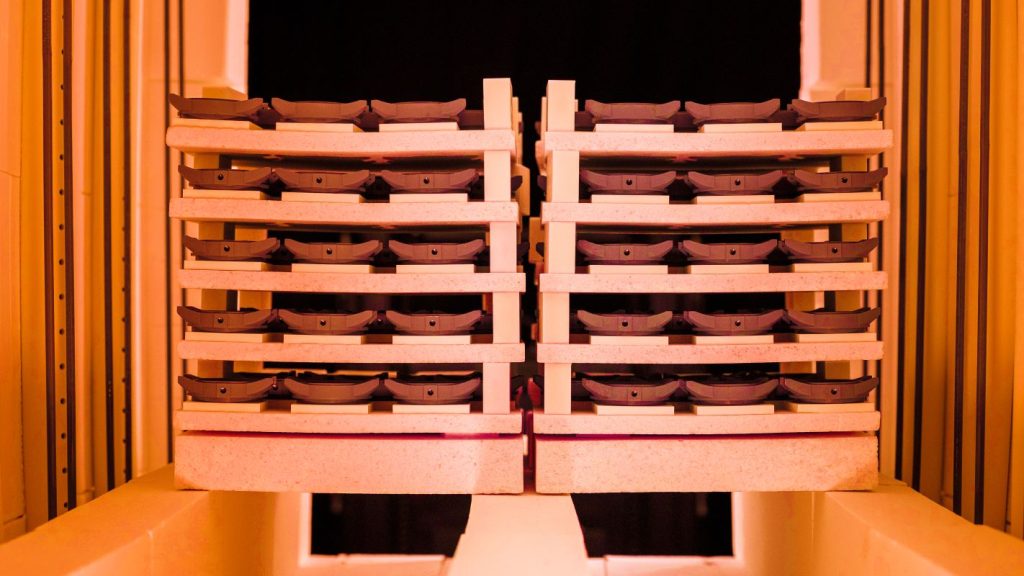
ตัวเราเองนั้นแม้ว่าจะเคยได้ไปเยือนโรงงานแห่งเก่ามาแล้วตั้งแต่ก่อนโควิดก็ยังอดตื่นเต้นไม่ได้ที่ได้เห็นขั้นตอนต่างๆ ในกระบวนการผลิตอย่างใกล้ชิด โดยเฉพาะเตาพลาสม่าที่ใช้สำหรับชิ้นส่วนที่เป็นพลาสม่าไฮเทคเซรามิก และมีช่องทรงกลมเล็กๆ ให้เรามองเข้าไปเห็นแสงสีม่วงอมชมพูเหมือนอย่างในภาพประชาสัมพันธ์ของ Rado เอง
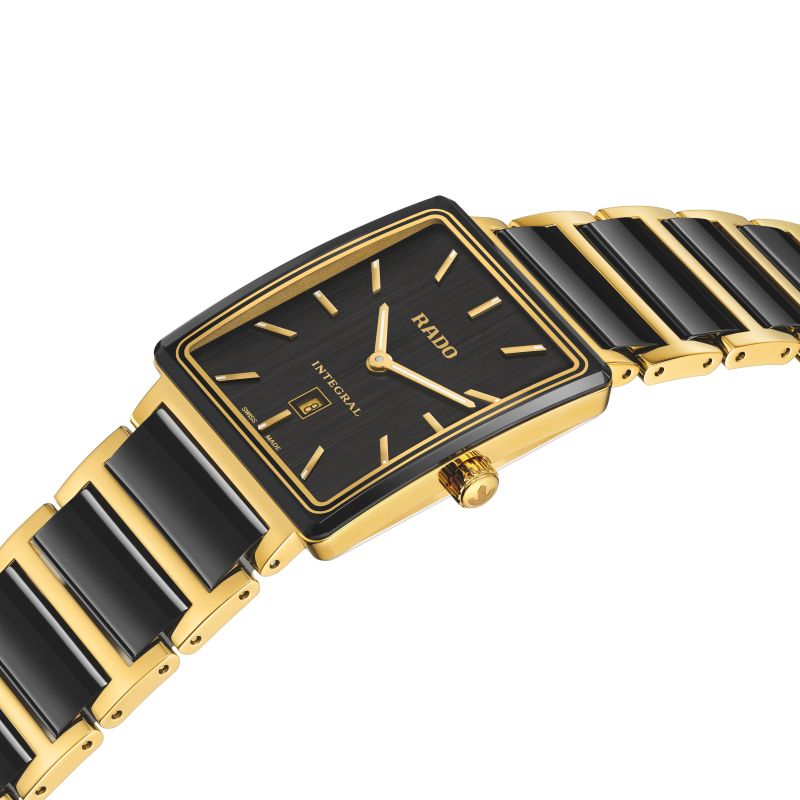
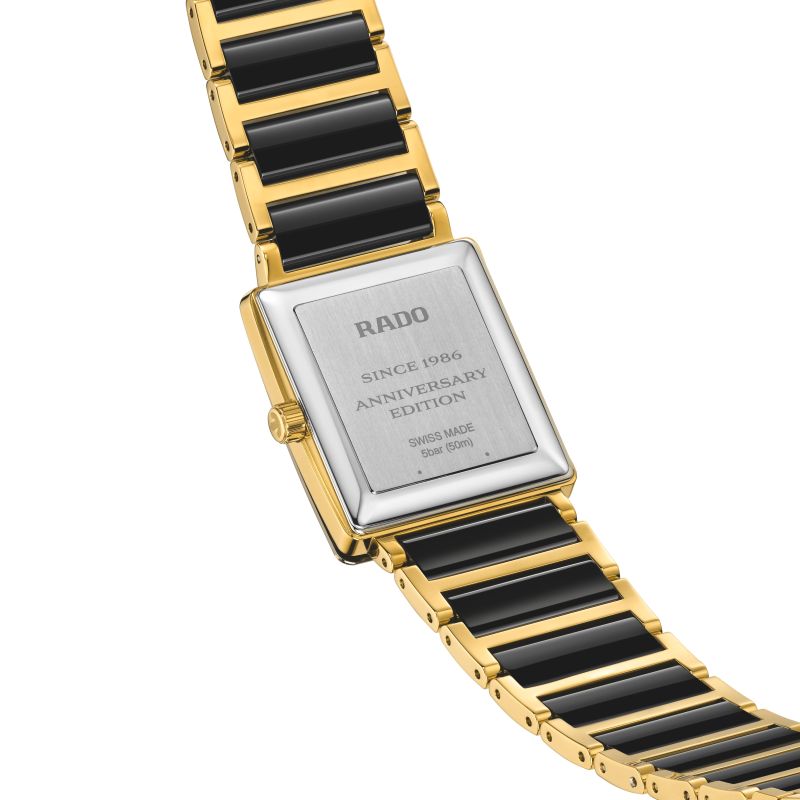
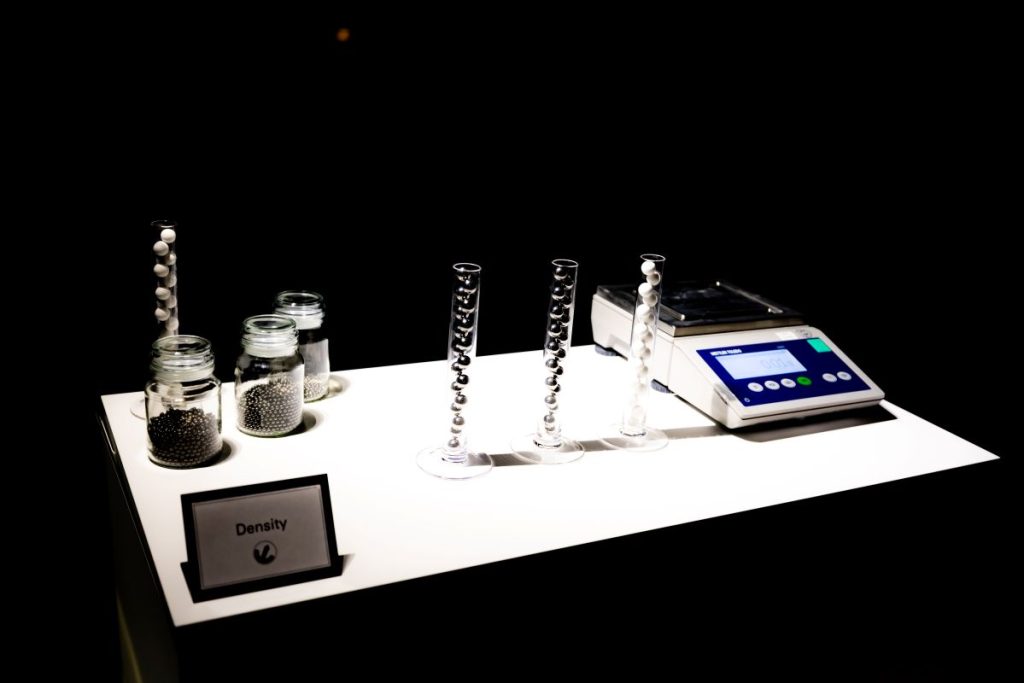
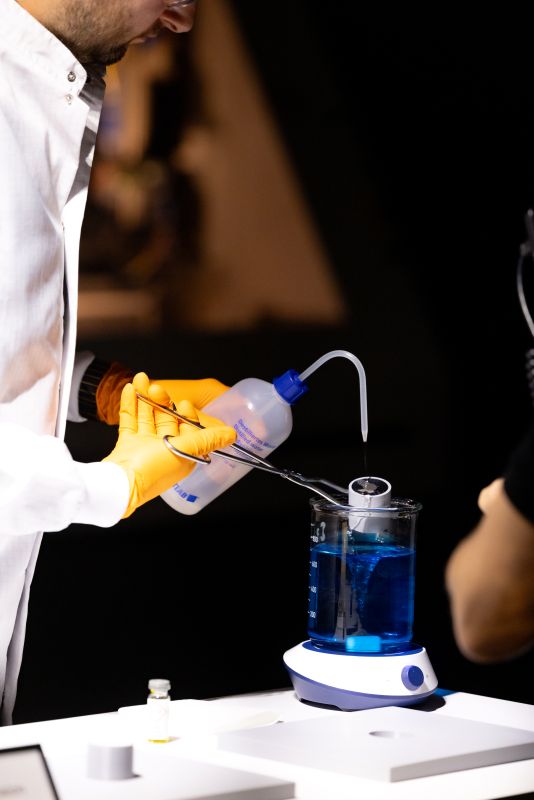
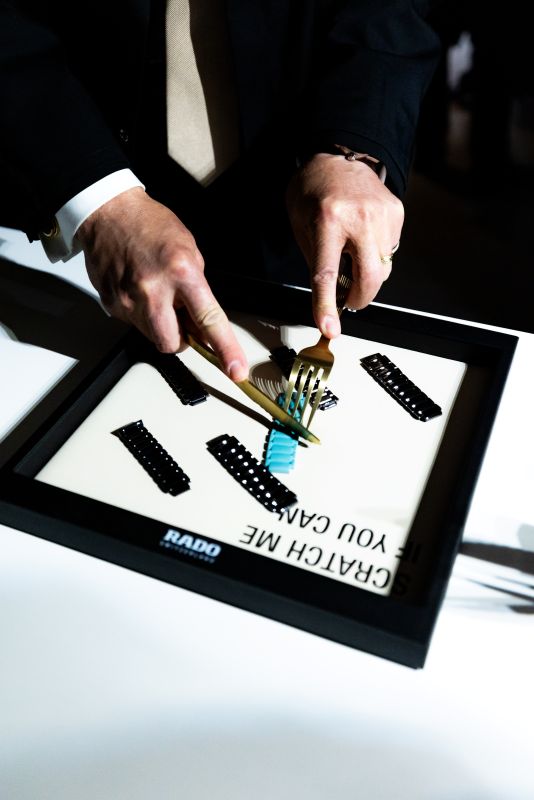
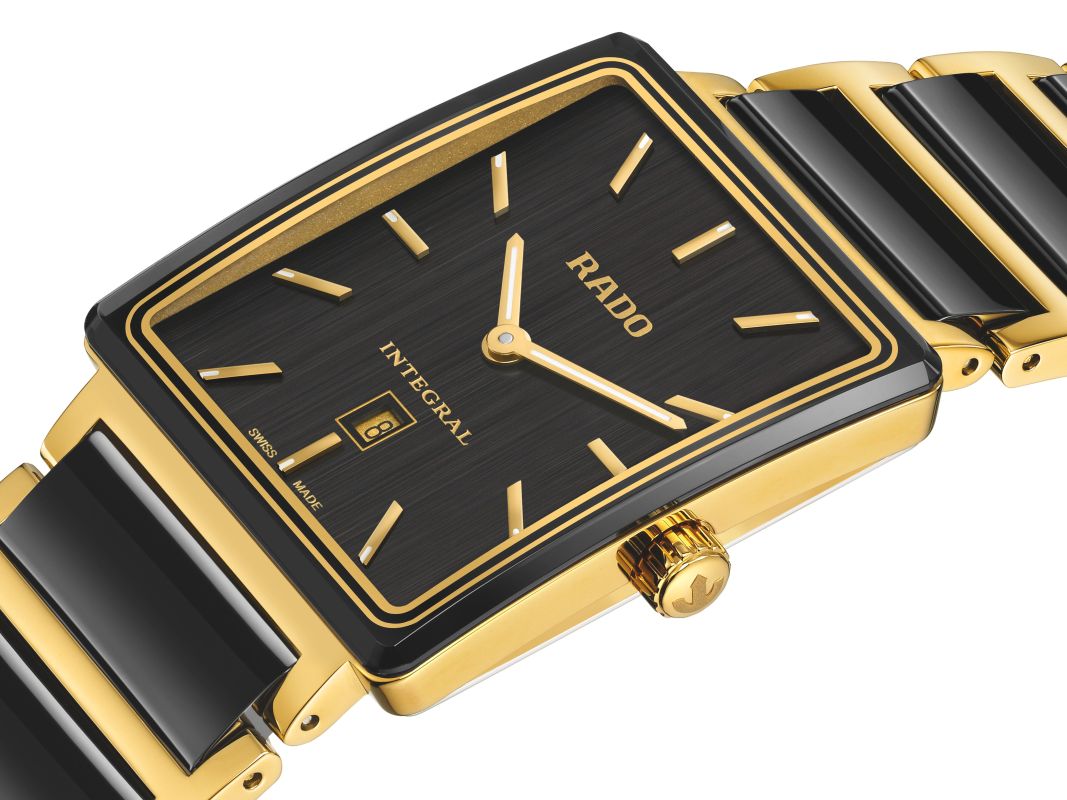
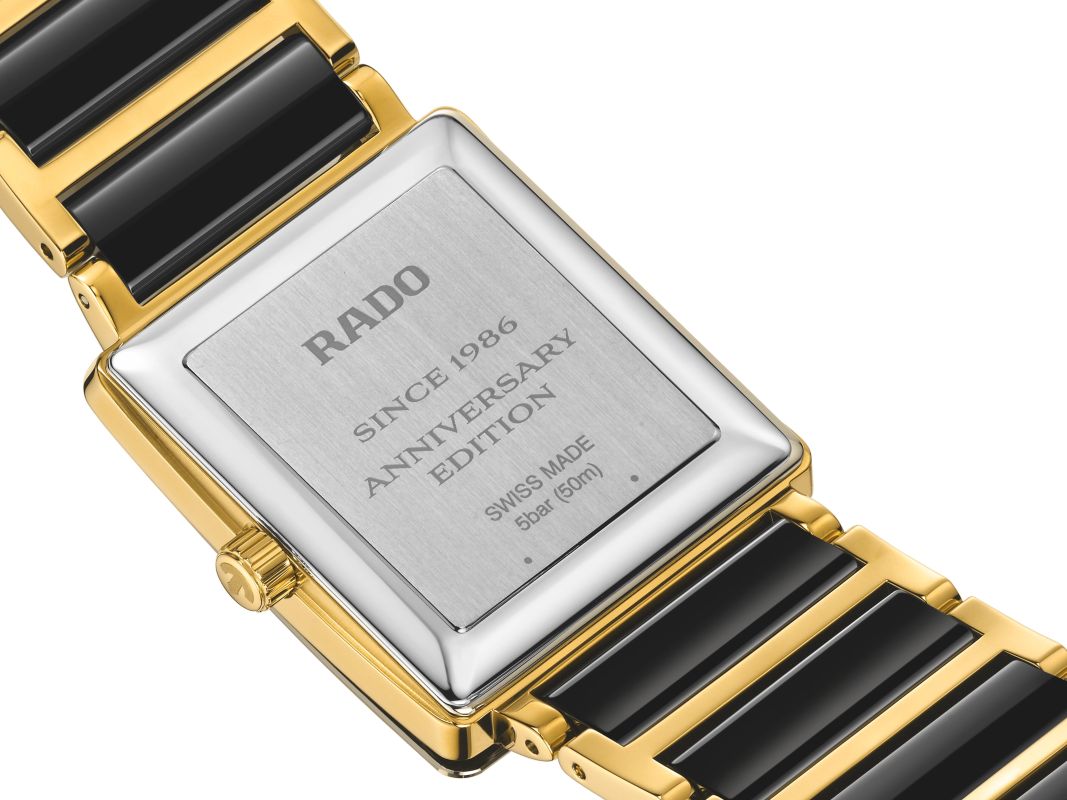
แล้วจึงเข้าสู่ช่วงของการเปิดตัวนาฬิการุ่นพิเศษ Rado Integral 40-Year Anniversary ตัวเรือนขนาด 28.0 x 39.8 มม. ซึ่งมีดีไซน์กรอบหน้าปัดสีทองเส้นคู่เหมือน Integral รุ่นแรกจากปี ค.ศ. 1986 เพื่อตอกย้ำว่า Rado มีการใช้ชิ้นส่วนที่เป็นไฮเทคเซรามิกในการผลิตนาฬิกามานานถึง 40 ปีแล้ว พร้อมจัดสถานีให้แขกที่มาได้ทดสอบประสิทธิภาพและความคงทนของเนื้อวัสดุอย่างจริงจัง
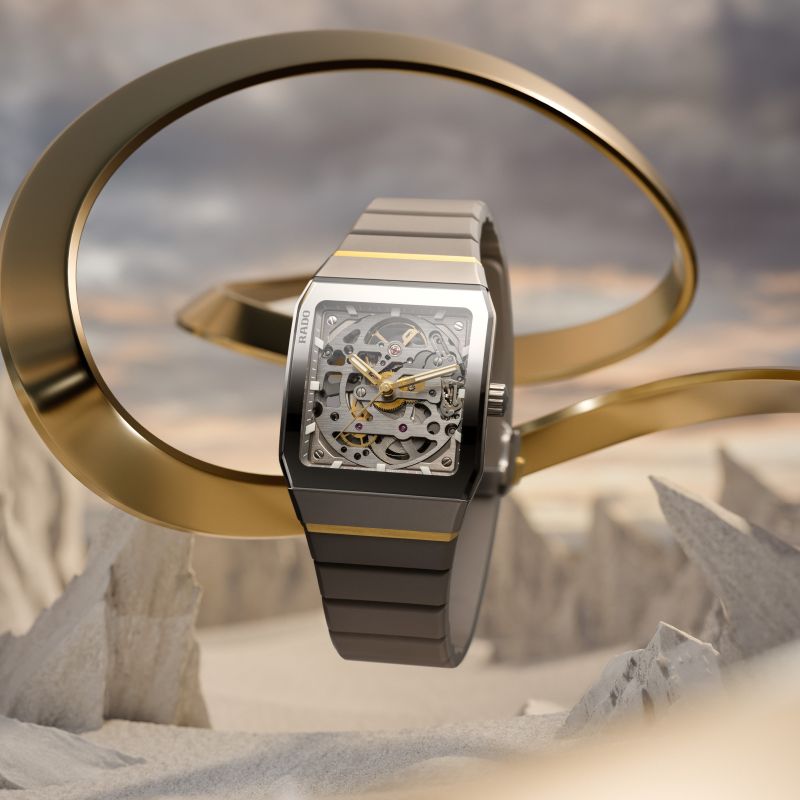
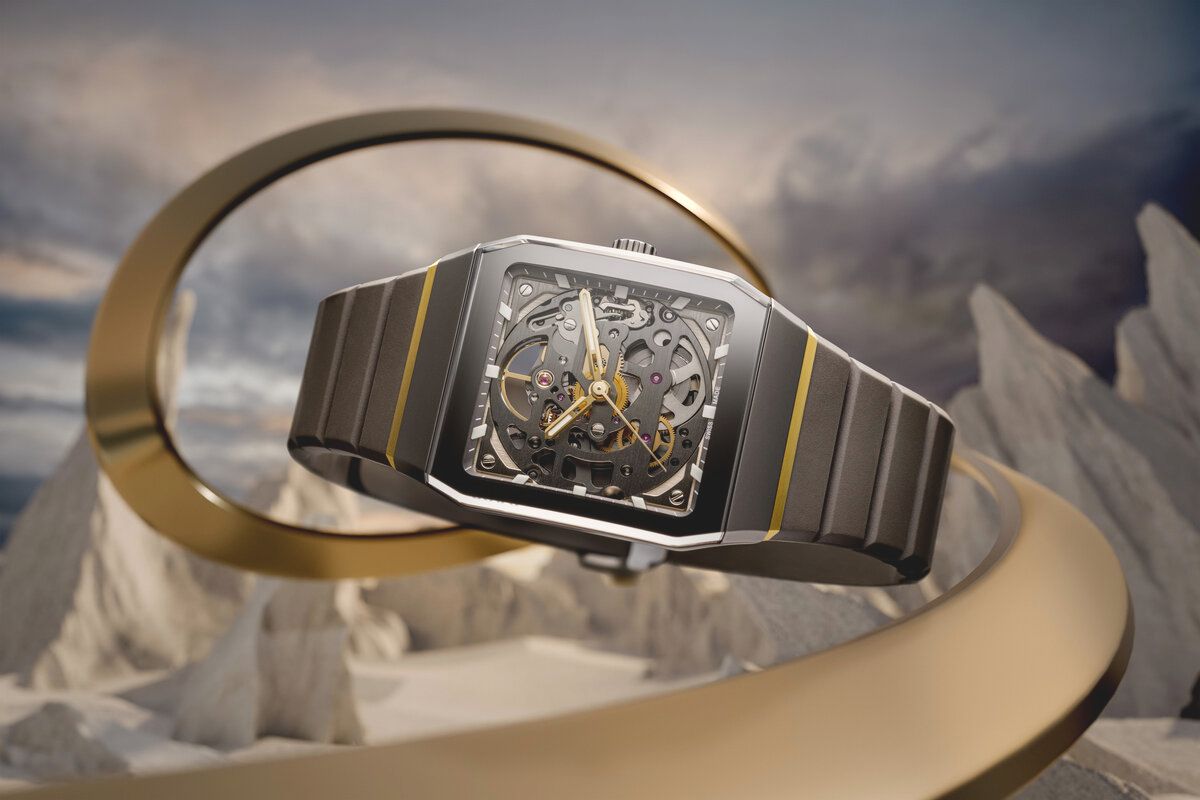
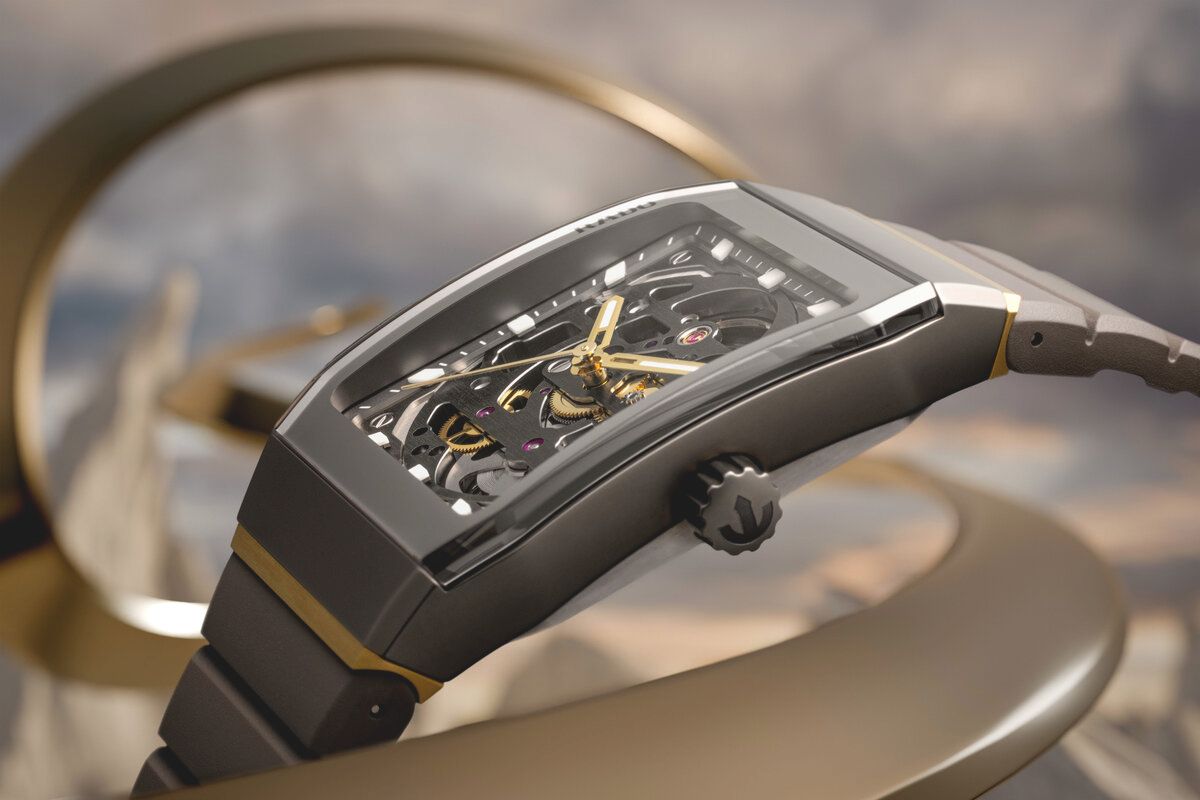
นาฬิการุ่นเด่นอีกรุ่นหนึ่งที่น่าจับตามองของ Rado ในปีนี้คือ Anatom Automatic Skeleton ใหม่ที่โชว์ความงามของเครื่องนาฬิกาแบบสเกเลตั้นรุ่นคาลิเบอร์ R808 จากด้านหน้า ราวกับเป็นการเอ็กซ์เรย์ให้เห็นบาลานซ์วีลที่ทำงานอย่างต่อเนื่องเหมือนหัวใจที่เต้นอยู่ที่ตำแหน่ง 12 นาฬิกา และเมื่อพลิกมาทางด้านหลังจะเห็นโรเตอร์รูปทรงสมอเรือที่ทำหน้าที่ขึ้นลานจนเครื่องมีกำลังลานสำรองเต็ม 80 ชั่วโมง ทั้งหมดอยู่ภายในตัวเรือนชั้นกลางวัสดุสเตนเลสสตีลมีรูปทรงสี่เหลี่ยมผืนผ้าขนาด 32.5 x 46.3 x 11.5 มม. ครอบด้วยขอบตัวเรือนวัสดุพลาสมาไฮเทคเซรามิกผิวแมตต์ที่ทนทานต่อการขีดข่วน

สัมผัสนาฬิกา Rado รุ่นใหม่ๆ อย่างนี้ในบรรยากาศที่เอื้ออำนวยต่อการทำความรู้จักได้ที่บูติคอย่างเป็นทางการแห่งแรกในกรุงเทพมหานครของ Rado ที่ศูนย์การค้า Central Park หรือสอบถามข้อมูลเพิ่มเติมเกี่ยวกับนาฬิกา Rado ทุกรุ่นทาง LINE ที่ @Radothailand หรือโทร 02-146-8402
Before and after spending a full day with Rado in Boncourt, we reflected on how the brand got here and where they are headed going forward.
Words: Ruckdee Chotjinda Photos: Rado
Adjectives like “underrated” and “underappreciated” suit Rado perfectly. They are a watch brand that has always possessed a very clear identity and purpose, and one that has consistently pushed technological innovation to the point where they can confidently call themselves the “Master of Materials”. Yet despite this, Rado has never quite achieved the level of popularity among the broader public that they deserve.
In general, people recognise the brand as one that has long been part of the watch industry, and they respect their ability to develop and execute ideas beyond the conventional boundaries of watchmaking. However, those who are not deeply involved in watches or the world of design often do not react to Rado with the same sense of excitement or desire for ownership.
Rado is a uniquely distinctive success story within the watch industry. From modest beginnings in 1917, and the adoption of the name “Rado”, meaning “wheel” in Esperanto, in 1928, the brand’s defining point came in 1962 when their founders envisioned the use of highly scratch-resistant materials so that a watch could continue looking new even after many years of wear.
This vision first materialised through the use of hardmetal in the production of the DiaStar – a name intended to suggest that the watch was “as hard as a diamond and as bright as a star”. From there, Rado advanced into the field of high-tech ceramic, a material with a hardness rating of approximately 1,250 Vickers, whereas ordinary stainless steel generally measures around 200 Vickers.
Rado introduced the Integral in 1986 as their first watch to incorporate high-tech ceramic components, before following with the Rado Ceramica in 1990 as a fully high-tech ceramic watch. At that stage, all of these ceramic watches remained black in colour. However, Rado never ceased their research and development efforts, eventually introducing white high-tech ceramic in 1992 and plasma high-tech ceramic, with its metallic grey sheen, in 1997, before expanding further into a wide variety of vibrant ceramic colours from 2019 onwards.
Fortunately, Rado’s marketing and public relations strategy has evolved significantly over the past decade, allowing the brand to communicate more effectively with a broader audience. We first noticed this shift during the latter half of the previous CEO’s tenure, particularly at Baselworld 2016, where Rado presented lifestyle-oriented imagery that felt far more compelling than their earlier visuals. This gradually expanded across collections and subsequent product launches, continuing into the era of the current CEO, who has successfully carried the momentum forward with consistency and confidence.
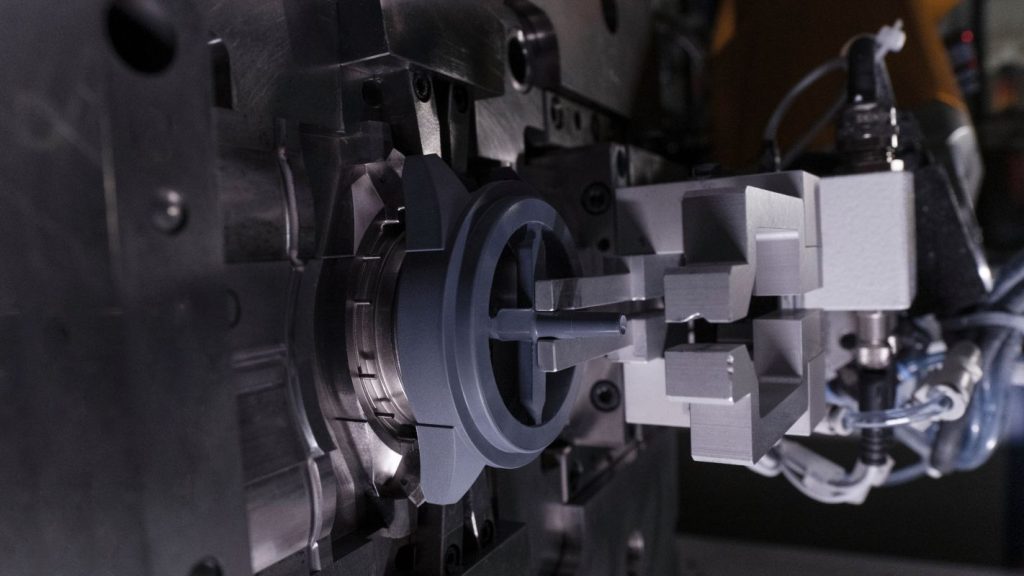
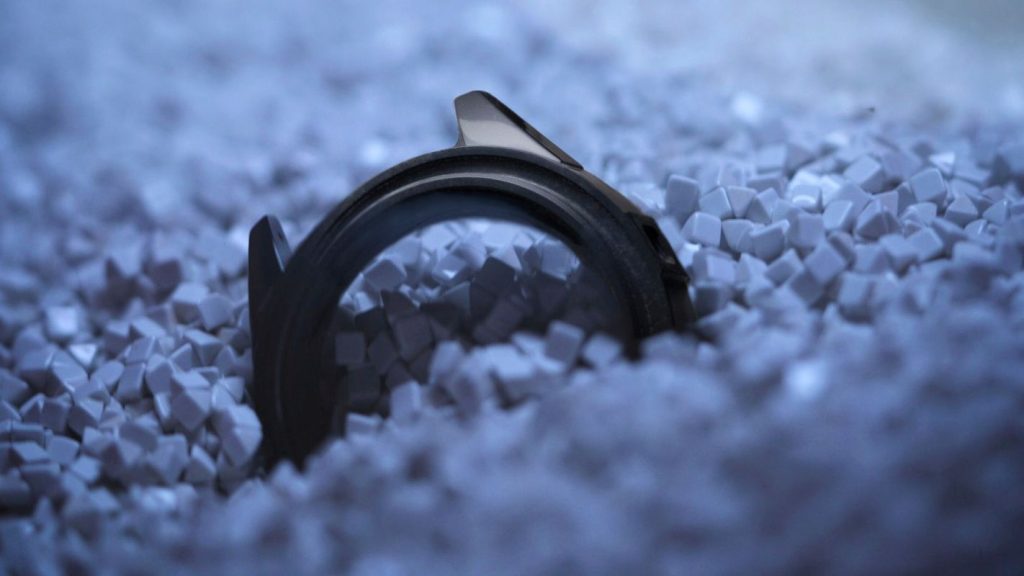
Most recently, World of Watches Thailand was honoured to be among roughly 50 media titles from around the world invited by Rado to visit their new high-tech ceramic case and bracelet manufacturing facility in Boncourt, Switzerland. Operated by Comadur within the Swatch Group specifically for Rado, the new site functions separately from the former facility in Le Locle, which now focuses primarily on producing components for other Swatch Group brands.
Even for us, despite having previously visited the Le Locle site before the pandemic, it was still genuinely exciting to observe the manufacturing process up close. The most remarkable moment was when we could see the purple-pink glow, so familiar from Rado’s own communication imagery, through the circular viewing window of the plasma oven used to produce plasma high-tech ceramic components.
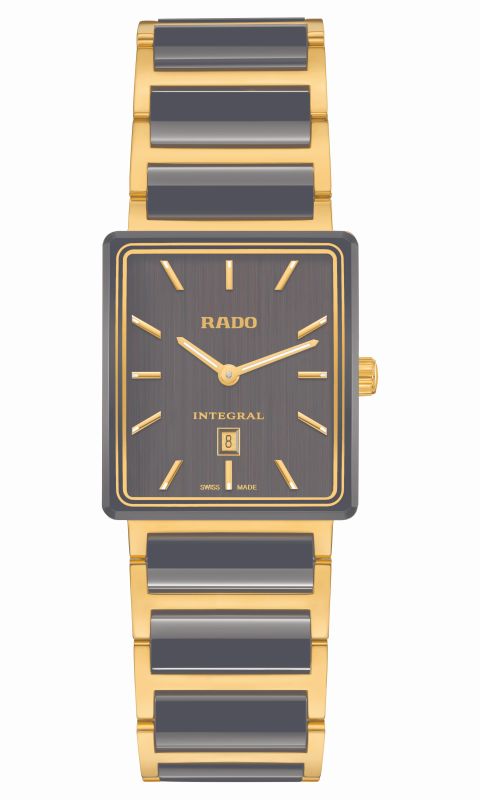
This then led into the unveiling of the special Rado Integral 40-Year Anniversary watch, featuring a 28.0 x 39.8 mm case and the same double gold-coloured bezel lines found on the original Integral from 1986. The product reinforces the fact that Rado has now been using high-tech ceramic components in watchmaking for 40 years. Guests were also invited to participate in hands-on trials to prove the durability and resilience of the material itself.
Another standout Rado release this year is the new Anatom Automatic Skeleton, which reveals the beauty of the skeletonised self-winding Calibre R808 from the front, almost like an X-ray that exposes the continuously beating balance wheel at 12 o’clock like a living heart. Turning the watch over reveals the anchor-shaped rotor that winds the movement to its full 80-hour power reserve. All of this is housed within a rectangular stainless steel middle case that measures 32.5 x 46.3 x 11.5 mm, topped by a scratch-resistant matte plasma high-tech ceramic bezel.
You can experience these latest Rado watches in an environment designed to encourage genuine discovery at Rado’s first official boutique in Bangkok, located at Central Park. For enquiries, please contact Rado by LINE at @Radothailand or by telephone at 02-146-8402.

