สรุปที่มาที่ไปของนาฬิกา Leica … ใครเป็นผู้ผลิต … แล้วทำออกมาขายใคร
บทความ: รักดี โชติจินดา ภาพ: Leica
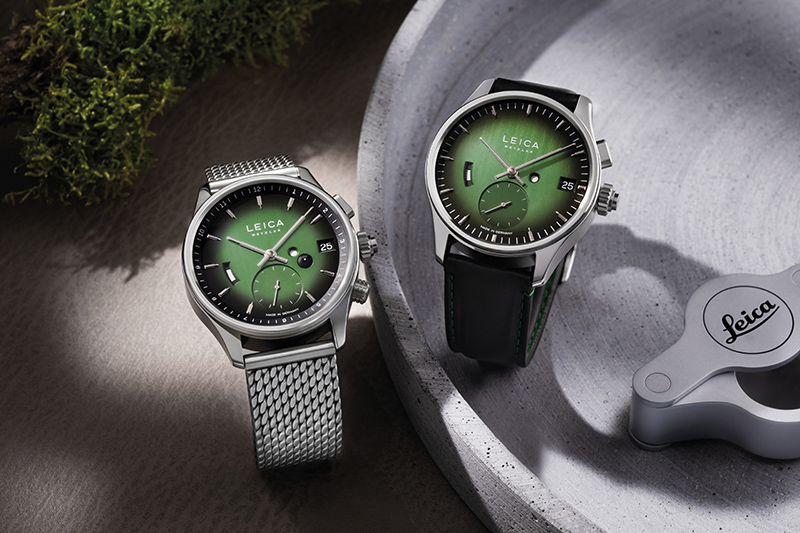
Leica เปิดตัวนาฬิการุ่น ZM 1 และ ZM 2 เมื่อต้นปี ค.ศ. 2022 โดยมีการประชาสัมพันธ์ในระดับหนึ่ง แต่ว่าอาจจะไม่ครอบคลุมประเด็นที่ผู้คนสงสัยและอยากรู้อย่างครบถ้วน หรืออาจจะสื่อสารออกไปถึงวงที่ไม่กว้างพอ เราเองก็เป็นหนึ่งในกลุ่มคนที่มีคำถามมากกว่าคำตอบว่านาฬิกา Leica มีที่มาที่ไปอย่างไร ผลิตเองหรือโดยใครที่ใด และมีเป้าหมายเพื่อจะขายใคร
และในวันนี้เราก็ได้รับคำตอบที่ต้องการทั้งหมดแล้วจากคุณคริสเตียน ดาวลิ่ง แห่ง Ernst Leitz Werkstätten ซึ่งเป็นบริษัทในเครือของ Leica ตำแหน่งอย่างเป็นทางการของเขาคือผู้จัดการฝ่ายคอนเทนท์ คอมมิวนิตี้และการฝึกอบรม คุณคริสเตียนเดินทางมายังประเทศไทยเพื่อบรรยายเรื่องที่มาที่ไปของนาฬิกา Leica โดยเฉพาะเนื่องในโอกาสเปิด Leica Store แห่งใหม่ที่สยามพารากอน
เนื้อหาต่อไปนี้ไม่ใช่การสัมภาษณ์อย่างเป็นทางการที่มีการอัดเสียง แต่เป็นการเรียบเรียงคำถามที่เรามีในใจก่อนเริ่มทำความรู้จักกับนาฬิกา Leica อย่างจริงจัง และคำตอบที่เราได้จากการบรรยายและการพูดคุยกับคุณคริสเตียน ตลอดจนการไล่อ่านเอกสารและบทความเก่าบนเว็บ Leica เพื่อประกอบความเข้าใจ …
Leica เคยผลิตนาฬิกามาก่อนหน้านี้หรือไม่
โดยรวมแล้วต้องเรียกว่าแทบจะไม่เคยเลย เอินส์ ไลทซ์ผู้เป็นต้นตระกูลของธุรกิจกล้อง Leica นั้นตามหลักฐานปรากฏว่าเคยไปเรียนและฝึกงานกับช่างนาฬิกามัทเธอุส ฮิปป์ ชาวเยอรมันที่เมืองเนอชาแตล ประเทศสวิตเซอร์แลนด์ก็จริง แต่เมื่อกลับมายังเยอรมนีก็ประกอบธุรกิจเกี่ยวกับชิ้นเลนส์และกล้องจุลทรรศน์ โดยไม่มีบันทึกว่าเขามีแรงบันดาลใจหรือความฝันที่จะผลิตนาฬิกาภายใต้ชื่อของตนเองแต่อย่างใด อย่างไรก็ดี ในช่วงทศวรรษที่ 1980 นั้น Leica เคยมีความพยายามที่จะผลิตนาฬิกาอยู่บ้าง เช่น นาฬิการุ่นที่ขายคู่กับกล้อง แต่ก็ไม่ใช่นาฬิกาจักรกลระดับจริงจังและไม่มีการผลิตอย่างต่อเนื่องก่อนที่จะยุติไป
ทำไม Leica จึงริเริ่มผลิตนาฬิกาอย่างที่เห็นในปัจจุบันนี้ และปรัชญาเบื้องหลังคืออะไร
ดร. แอนเดรีย คอฟแมนน์ ผู้ถือหุ้นใหญ่ของ Leica มีดำริเมื่อปี ค.ศ. 2015 ว่าต้องการให้มีการรื้อฟื้นเรื่องความสัมพันธ์ระหว่างกล้องและเวลา และต้องการให้มีการผลิต “Leica สำหรับข้อมือ” กล้องถ่ายรูปเป็นอุปกรณ์จักรกลที่มีส่วนสัมพันธ์กับเวลาเป็นอย่างยิ่ง เพราะว่ากล้องนั้นจะต้องควบคุมปริมาณแสงที่ผ่านไปถึงฟิล์มได้อย่างแม่นยำผ่านทาง 2 ปัจจัยนั่นก็คือขนาดของรูรับแสงบนเลนส์และระยะเวลาที่ม่านชัตเตอร์เปิดบนตัวกล้อง หากเราแกะกล้อง Leica ออกมาก็จะเห็นชิ้นส่วนที่เป็นโลหะขนาดเล็กและใหญ่ทำงานสัมพันธ์กับเหมือนกับเครื่องของนาฬิกาจักรกลด้วยเช่นกัน
นาฬิกา Leica ออกแบบมาเพื่อผู้ใช้กล้อง Leica โดยเฉพาะใช่หรือไม่
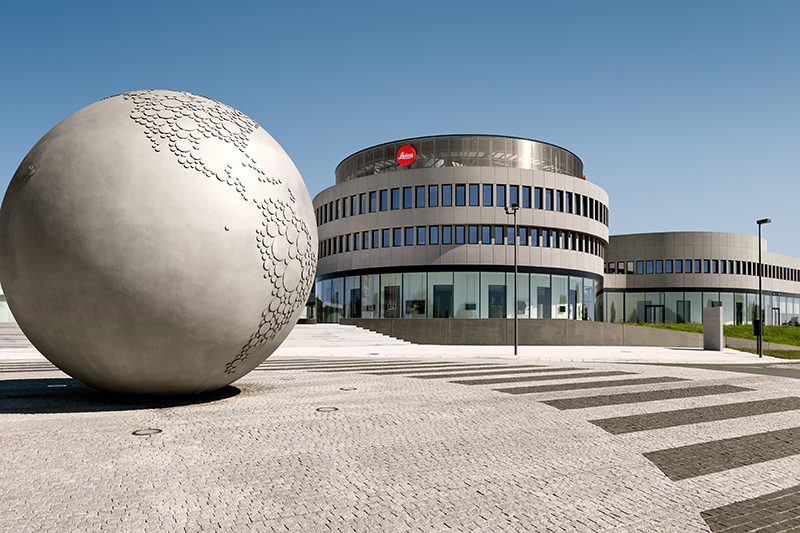
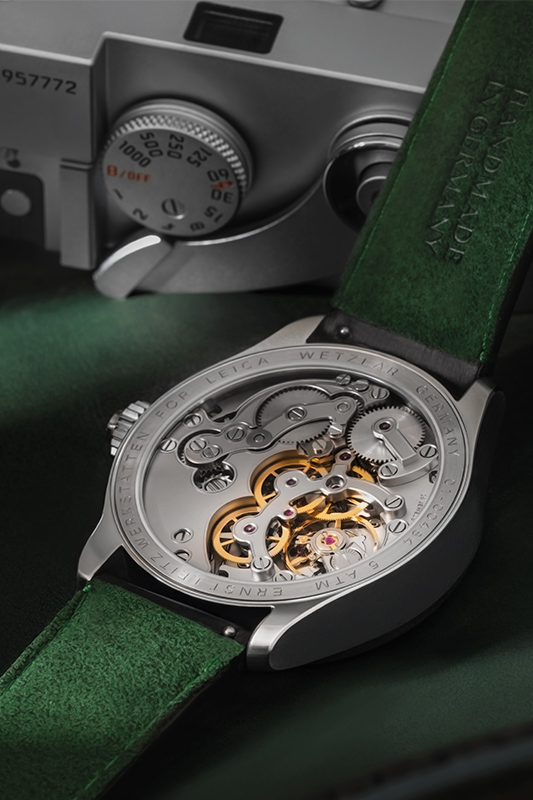
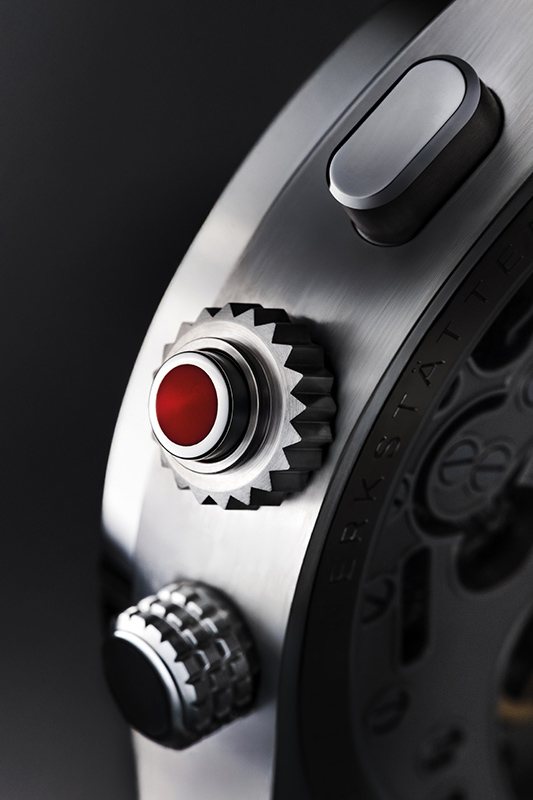
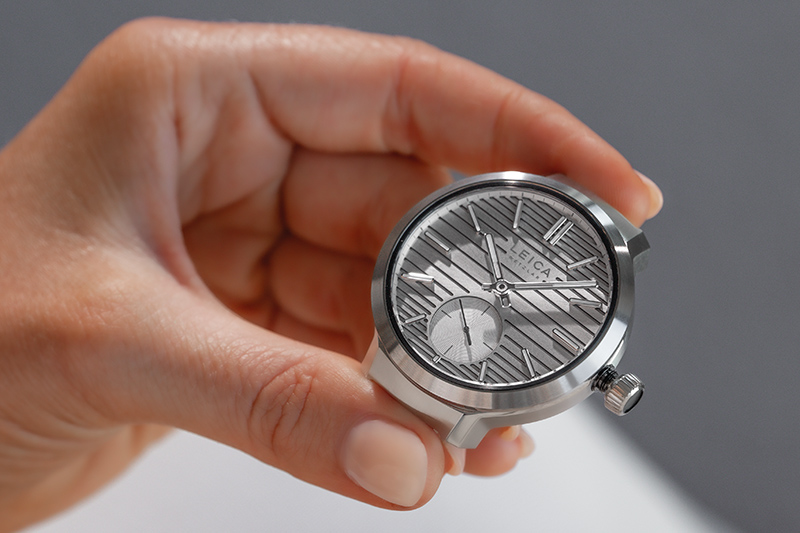
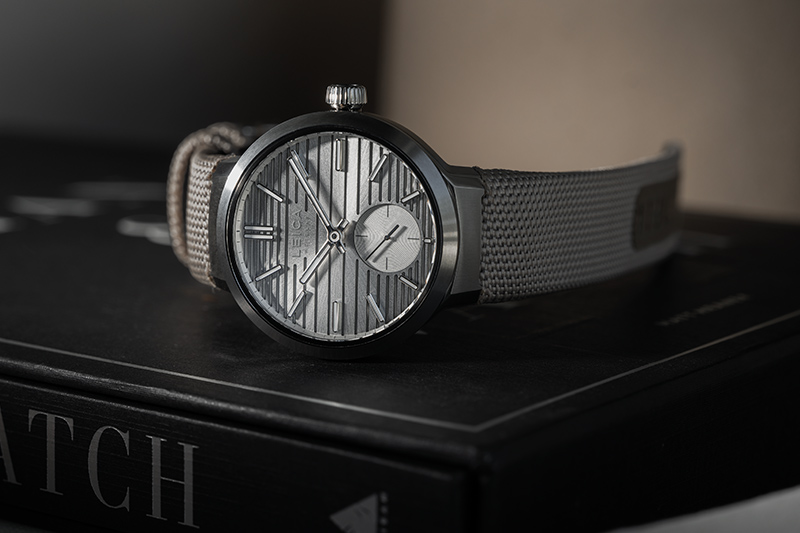
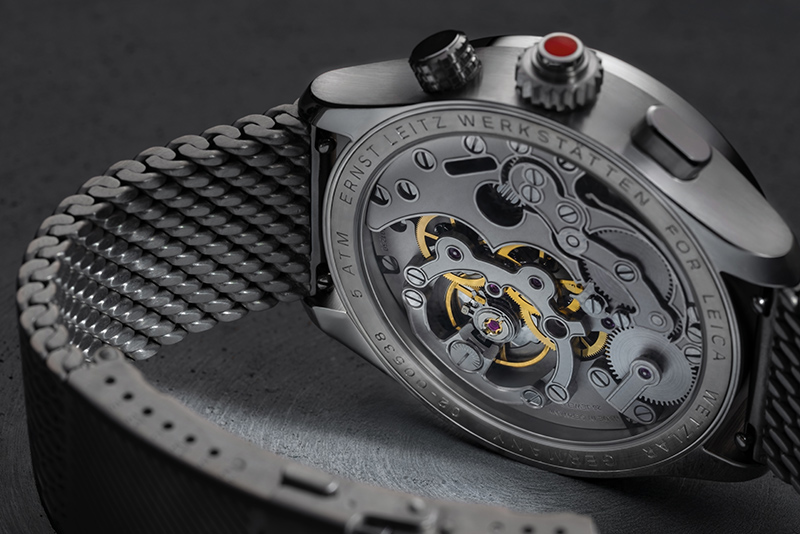
ใช่และไม่ใช่ นาฬิกา Leica ออกแบบมาเพื่อทุกคนที่ชื่นชมนาฬิกาจักรกลระดับลักชัวรี แต่ว่าลูกค้ากล้อง Leica จะเป็นกลุ่มเป้าหมายหลักก่อน เพราะว่าเป็นผู้ที่มีความผูกพันกับแบรนด์ Leica อยู่แล้ว มีความเชื่อมั่นในความพิถีพิถันของ Leica อยู่แล้ว รายละเอียดที่แฝงอยู่ตามจุดต่างๆ ของนาฬิกา Leica นั้นก็จะมีความหมายสำหรับผู้ใช้กล้อง Leica เป็นหลัก เช่น บริดจ์ทรงโค้งคู่หนึ่งทางด้านหลังของเครื่องนาฬิการุ่น ZM 1 และ ZM 2 ที่ประกอบกันเป็นรูปทรงของ Leitz Park อันเป็นที่ตั้งของสำนักงานใหญ่ของ Leica หรือปุ่มกดปลดสายนาฬิกาของนาฬิการุ่น ZM 11 และ ZM 12 ซึ่งดูเหมือนกับปุ่มปลดเลนส์บนกล้อง Leica
ชื่อ ZM มีความหมายว่าอะไร
ZM คือตัวย่อของคำว่า zeitmesser ในภาษาเยอรมันซึ่งแปลตรงตัวได้ว่า “เครื่องบอกเวลา” และในช่วงเริ่มแรกที่มีการประกาศว่า Leica จะมีนาฬิกาออกมานั้นทางบริษัทใช้ชื่อรุ่นว่า L1 และ L2 แต่ว่าในภายหลังพบว่ามีปัญหาเรื่องลิขสิทธิ์จึงเปลี่ยนไปใช้ชื่อ ZM เมื่อนาฬิกา ZM 1 และ ZM 2 พร้อมวางจำหน่ายจริง และจะใช้ชื่อ ZM นี้ในนาฬิการุ่นต่อๆ ไปด้วยอย่างเช่น ZM 11 และ ZM 12
Leica ผลิตนาฬิกาเองเลยหรือไม่
Leica ไม่ได้ผลิตนาฬิกาด้วยตนเอง และไม่มีแผนที่จะทำเช่นนั้นในอนาคตอันใกล้ วิธีการของ Leica คือการจับมือกับพันธมิตรที่มีศักยภาพในการผลิตเครื่องนาฬิกาและประกอบนาฬิกาอยู่แล้ว อย่าง ZM 1 และ ZM 2 ซึ่งเป็นนาฬิกา 2 รุ่นแรกของ Leica นั้นก็ผลิตโดยบริษัท Lehmann แห่งเมืองฮาดท์ ประเทศเยอรมนี ซึ่งเดิมทีนั้นผลิตเครื่องความแม่นยำสูงชนิดต่างๆ เพื่อการใช้งานทางด้านวิศวกรรม และในภายหลังก็มีการผลิตนาฬิกาในรูปแบบอินเฮ้าส์ซึ่ง Lehmann ไม่เพียงมีศักยภาพถึงระดับที่สามารถออกแบบและผลิตเครื่องนาฬิกาได้ด้วยตนเอง แต่ยังมีการผลิตหน้าปัดและเข็มนาฬิกาได้เองด้วย ในขณะที่แบรนด์นาฬิกาส่วนมากยังต้องพึ่งให้ซัพพลายเออร์ภายนอกเป็นผู้ผลิตหน้าปัดและเข็มให้
ถ้า Lehmann ไม่เคยผลิตนาฬิกาให้ผู้อื่นในลักษณะนี้มาก่อน แล้วทำไมจึงยอมให้บริการนี้แก่ Leica เป็นการพิเศษ
Leica เป็นลูกค้ารายสำคัญที่ซื้อเครื่องจักรชนิดต่างๆ จาก Lehmann อยู่แต่เดิมแล้วจึงมีความสัมพันธ์ที่แน่นแฟ้นต่อกัน
เหตุใด Leica จึงเลือกผลิต ZM 11 และ ZM 12 กับ Chronode ที่ประเทศสวิตเซอร์แลนด์ Lehmann ที่ผลิต ZM 1 และ ZM 2 ให้ในประเทศเยอรมนี
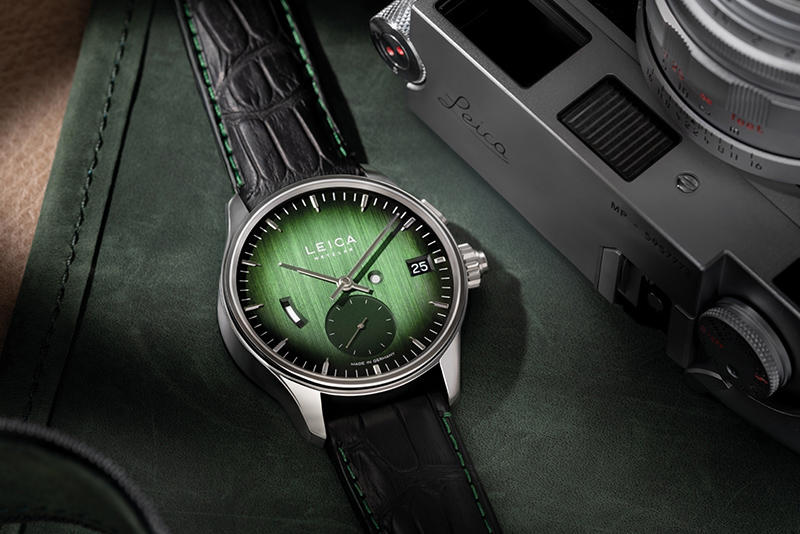
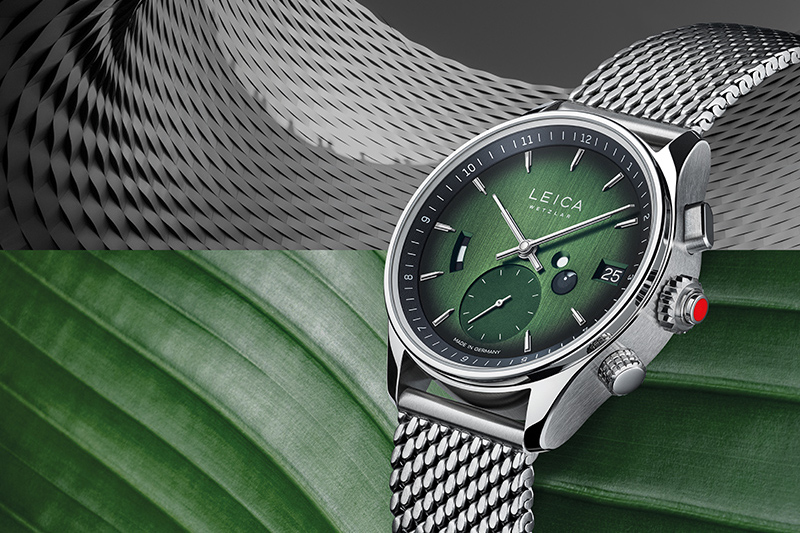
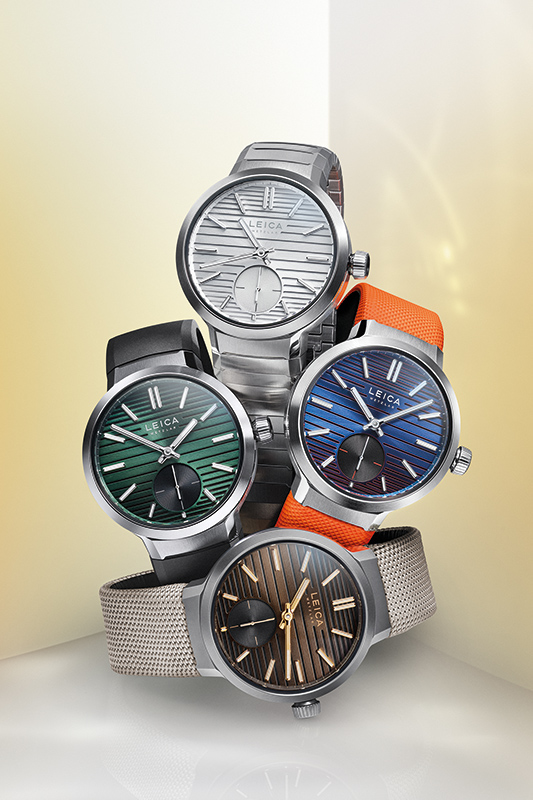
Lehmann มีกำลังการผลิตจำกัดเพราะผลิตชิ้นส่วนเกือบทุกชิ้นด้วยตนเองอย่างที่กล่าวถึงข้างต้น (หลักๆ แล้วไม่ได้ผลิตแซฟไฟร์คริสตอลและสายนาฬิกาเองเท่านั้น) ดังนั้น เมื่อ Leica ต้องการผลิตนาฬิกา ZM 11 และ ZM 12 ในระดับราคาที่ต่ำลงและมีจำนวนการผลิตมากขึ้นจึงต้องมองหาพาร์ทเนอร์รายอื่นมาช่วยเสริม อย่างไรก็ดี Leica ไม่สามารถหาบริษัทใดในประเทศเยอรมนีที่จะตอบโจทย์ความต้องการได้อย่างตรงจุดพอ สุดท้ายจึงมาลงตัวที่ Chronode จากเมืองเลอล็อค ประเทศสวิตเซอร์แลนด์ ซึ่งขึ้นชื่อเรื่องการคิดค้นและพัฒนาโซลูชั่นให้กับแบรนด์นาฬิกาต่างๆ อยู่แล้ว โดยนาฬิกา ZM 11 และ ZM 12 นั้นใช้เครื่องที่ออกแบบ ผลิตและประกอบโดย Chronode และมีตัวเรือน สายและหน้าปัดมาจากซัพพลายเออร์ต่างๆ ในประเทศสวิตเซอร์แลนด์ซึ่งจะผลิตและส่งมาประกอบเป็นเรือนสมบูรณ์ที่ Chronode
แนวทางของนาฬิกา Leica ในอนาคตจะเป็นอย่างไร
เราอาจจะได้เห็นนาฬิกา Leica ที่มีฟังก์ชั่นเกี่ยวกับการถ่ายรูปโดยตรง หรือนาฬิกา Leica ที่มีราคาต่ำกว่ารุ่นที่ออกมาแล้วอีกเล็กน้อย (ขณะนี้ ZM 11 และ ZM 12 มีราคาอยู่ในช่วง 292,600 – 314,050 บาท) แต่จะไม่มีนาฬิกา Leica แบบราคาถูกมากๆ และไม่น่าจะมีนาฬิกา Leica ในระดับราคาที่สูงกว่าในปัจจุบันนี้ (ขณะนี้ ZM 1 และ ZM 2 มีราคาอยู่ในช่วง 496,760 – 612,920 บาท) ทั้งนี้ การพัฒนานาฬิกา Leica จะเป็นแบบค่อยเป็นค่อยไป และทุกอย่างจะต้องสอดคล้องกับปรัชญาทางด้านวิศวกรรมของ Leica อย่างแท้จริง
We had an unexpected opportunity to familiarise ourselves with these timepieces by one of the world’s most prominent camera makers.
Words: Ruckdee Chotjinda Photos: Leica
Leica launched their ZM 1 and ZM 2 watches in early 2022 with a relatively low degree of publicity. The communication might not have fully addressed the questions that many people had, or perhaps it did not reach a sufficiently wide audience. We ourselves were among those with more questions than answers – how did the Leica watches come to be, how and where are they made, and who actually are the intended customers?
Today, however, we finally received all the answers we were looking for from Kristian Dowling of Ernst Leitz Werkstätten, a subsidiary of Leica. His official title is Content, Community and Training Manager. Kristian came to Thailand specifically to speak about the origins of Leica watches, on the occasion of the opening of the new Leica Store at Siam Paragon.
The following is not a formal and recorded interview, but rather a compilation of the questions we had before getting to know the Leica watches in earnest, along with the answers we obtained from the presentation and the group Q&A session, as well as from reviewing past documents and articles on the Leica web site to complete the picture …
Has Leica produced watches prior to this?
In general, the answer is almost never. Ernst Leitz, the founding figure behind the business which subsequently became Leica, is known to have studied and apprenticed with the German watchmaker Matthäus Hipp in Neuchâtel, Switzerland. However, upon returning to Germany, he went into the business of lenses and microscopes, and there is no record of him aspiring to produce watches under his own name. That said, during the 1980s, Leica did make a few attempts to create watches – including models sold alongside their cameras – but these were not serious mechanical timepieces and production did not last long.
Why did Leica begin producing watches as we see them today, aand what is the philosophy behind them?
In 2015, Dr. Andreas Kaufmann, Leica’s major shareholder, expressed the wish to revive the connection between cameras and time, and to create a “Leica for the wrist.” A camera is a mechanical device deeply tied to time, as it must control the amount of light reaching the film through two key variables: the aperture of the lens and the length of time the shutter remains open. If one were to take apart a Leica camera, one would find small and large metal components working in harmony, much like the parts of a mechanical watch movement.
Are Leica watches designed specifically for Leica camera users?
Yes and no. Leica watches are designed for anyone who appreciates luxury mechanical timepieces, but Leica’s camera customers are the primary target audience. These individuals already have a strong affinity for the brand and confidence in their craftsmanship. The subtle design details embedded in Leica watches are especially meaningful to Leica camera users – such as the twin curved bridges on the back of the ZM 1 and ZM 2 movements, which form the shape of Leitz Park that is Leica’s headquarters, or the strap release button on the ZM 11 and ZM 12, which resembles the lens release button on Leica cameras.
What does ZM stand for?
ZM is short for “zeitmesser”, the German word meaning “timepiece”. Initially, Leica had announced their watches using the names L1 and L2, but later encountered trademark issues and thus switched to the ZM naming when ZM 1 and ZM 2 were officially launched. The ZM prefix will continue to be used in future models, such as ZM 11 and ZM 12 which have already come out.
Does Leica manufacture their watches themselves?
Leica does not manufacture the watches themselves, nor do they have plans to do so in the near future. Their approach is to partner with manufacturers already capable of producing and assembling watches. For example, the ZM 1 and ZM 2 are produced by Lehmann in Hardt, Germany – a company originally specialising in high-precision machinery for engineering purposes. Lehmann later developed in-house watchmaking capabilities, not only designing and producing their own movements but also manufacturing dials and hands – something most watch brands still rely on external suppliers to do.
If Lehmann had never manufactured watches for others in this way before, why did they agree to do so for Leica?
Leica was already an important customer of Lehmann, having purchased various types of machinery from them, which led to a strong existing relationship.
Why did Leica choose to produce the ZM 11 and ZM 12 with Chronode in Switzerland, rather than with Lehmann in Germany as they did with ZM 1 and ZM 2?
Lehmann has limited production capacity due to manufacturing almost every part in-house (except for sapphire crystals and straps). When Leica decided to produce the ZM 11 and ZM 12 at a lower price point and in higher quantities, they needed another capable partner. However, they could not find a suitable match within Germany. Eventually, they partnered with Chronode in Le Locle, Switzerland – a company renowned for designing and developing horological solutions for many brands. The ZM 11 and ZM 12 use movements designed, produced and assembled by Chronode, with cases, straps and dials sourced from Swiss suppliers and assembled into complete watches at Chronode.
What is the outlook for Leica watches in the future?
We may see Leica watches with functions directly related to photography, or models at slightly lower prices than existing ones (the current ZM 11 and ZM 12 retail between 292,600 and 314,050 baht). However, there will not be any very low-priced Leica watches, nor are there likely to be models priced significantly higher than those already available (the ZM 1 and ZM 2 currently range from 496,760 to 612,920 baht). The development of Leica watches will be gradual, and every aspect must be consistent with the brand’s engineering philosophy.